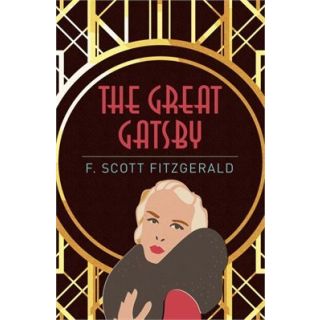
"The year is 1922, and young Nick Carraway moves to the village of West Egg, where he discovers that his neighbor is the eclectic millionaire Jay Gatsby. As he and Gatsby become acquainted, Nick is thrown into a world full of dazzling parties, unrequited love, and unchecked idealism.
Gatsby, surrounded by riches, yearns for the love of a woman who chose another man. He waits for her every night, using a green light at the end of his dock to call out to her from across the water. Daisy, stuck…
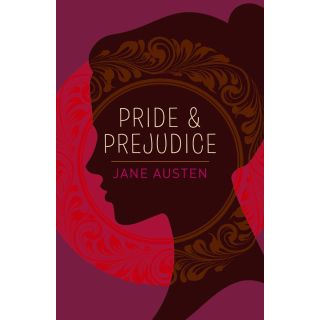
First published in 1813, "Pride and Prejudice," Jane Austen's witty comedy of manners - one of the most popular novels of all time - tells the story of Mr and Mrs Bennet's five unmarried daughters after the rich and eligible Mr Bingley and his status-conscious friend, Mr Darcy, have moved into their neighbourhood. "It is a truth universally acknowledged, that a single man in possession of a good fortune must be in want of a wife." So begins the novel, that features splendidly civilized sparring…
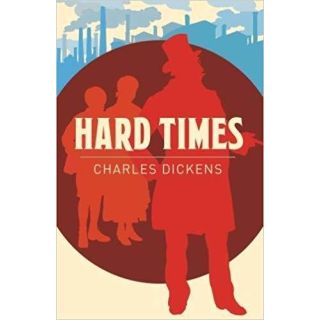
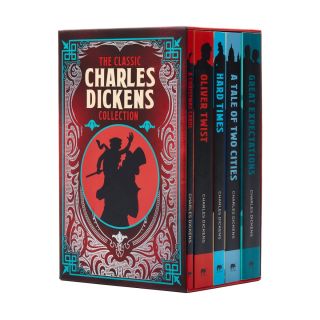
Longman's new Cultural Editions Series, Hard Times, by Charles Dickens, edited by Jeff Nunokawa, includes Books 1-3 of Hard Times and contextual materials on the age of Dickens.
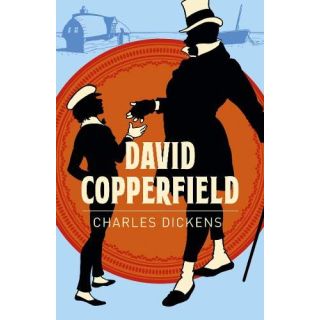
The story of David Copperfield (1850) began as a memoir of Dickens' boyhood experiences in a blacking factory and grew into one of his most popular novels, echoing aspects of the author's own life and providing a wealth of famous characters. Creepy Uriah Heep and the cruel Murdstones are here, with faithful Peggoty and David's formidable Aunt Betsey Trotwood; not forgetting the ever-optimistic Mr Micawber, who is a portrait of Dickens' own improvident father. This edition contains the original…
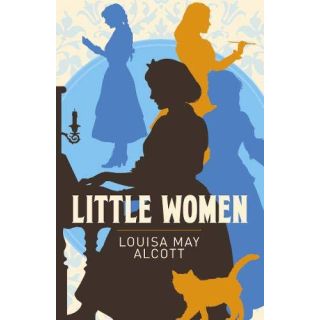
Generations of readers young and old, male and female, have fallen in love with the March sisters of Louisa May Alcott’s most popular and enduring novel, Little Women. Here are talented tomboy and author-to-be Jo, tragically frail Beth, beautiful Meg, and romantic, spoiled Amy, united in their devotion to each other and their struggles to survive in New England during the Civil War.
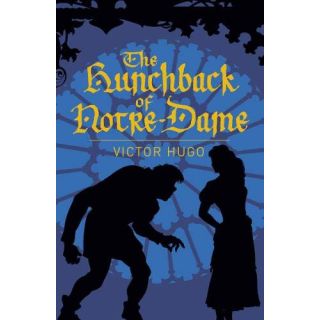
This extraordinary historical novel, set in Medieval Paris under the twin towers of its greatest structure and supreme symbol, the cathedral of Notre-Dame, is the haunting drama of Quasimodo, the hunchback; Esmeralda, the gypsy dancer; and Claude Frollo, the priest tortured by the specter of his own damnation. Shaped by a profound sense of tragic irony, it is a work that gives full play to Victor Hugo's brilliant historical imagination and his remarkable
Henry V is Shakespeare’s most famous “war play”; it includes the storied English victory over the French at Agincourt. Some of it glorifies war, especially the choruses and Henry’s speeches urging his troops into battle. But we also hear bishops conniving for war to postpone a bill that would tax the church, and soldiers expecting to reap profits from the conflict. Even in the speeches of Henry and his nobles, there are many chilling references to the human cost of war.
Shakespeare may have written Julius Caesar as the first of his plays to be performed at the Globe, in 1599. For it, he turned to a key event in Roman Caesar’s death at the hands of friends and fellow politicians. Renaissance writers disagreed over the assassination, seeing Brutus, a leading conspirator, as either hero or villain. Shakespeare’s play keeps this debate alive.
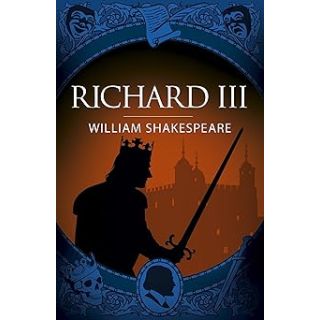
Written in the early 1590s, Shakespeare's version of the story of Richard III, more properly known as The Tragedy of Richard the Third, depicts events that happened more than a century before.
The story is based on the unfinished History of Richard III by Sir Thomas More, writing as the Tudor dynasty was seeking to consolidate its position. Shakespeare portrays his usurping, hunchbacked Richard as truly villainous, with few redeeming features. Yet as he strives to consolidate power, he is a…





Validate your login